Home · Services · Crawl Space Mold Removal
Crawl Space Mold Removal in Shawnee, KS
Quick answer
Cleanup of under floor growth in pier and beam and raised homes, with moisture control. On slab homes this page covers the under floor and ground moisture equivalents.
Crawl spaces sit under part of Shawnee's older stock, and they hold the slow version of the problem: ground moisture rising into joists, a weeping joint, clay soil against the foundation wall feeding damp through the rim. The work is source first, then removal and a vapor conversation, with the inspector's readings deciding whether the house above is in the scope. In Johnson County's clay, the crawlspace conversation and the drainage conversation are the same conversation held in two rooms.
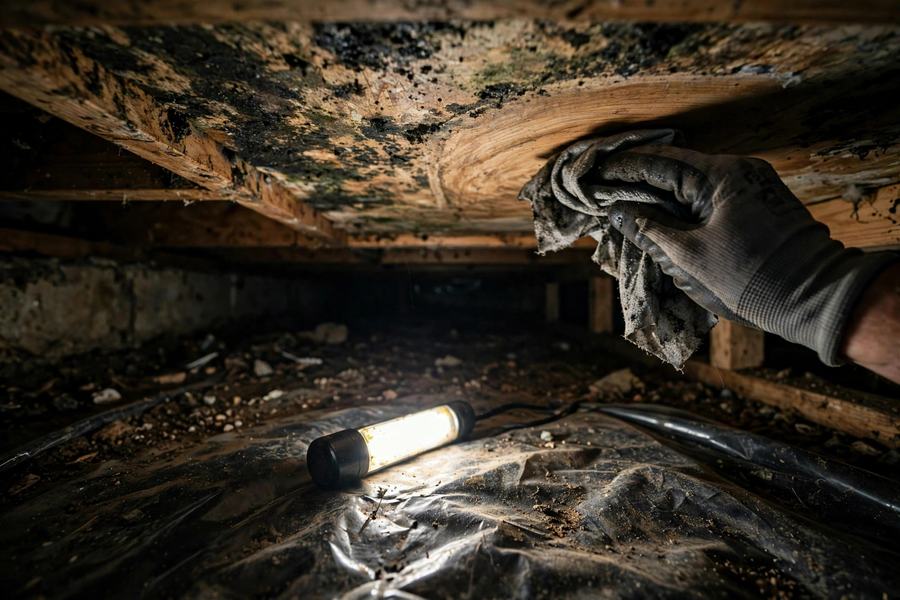
Signs you need crawl space mold removal
- Musty odor strongest at floor level or in floor vents
- Visible growth on joists or subfloor found during plumbing work
- Cupping floors or a chronically damp feeling in older homes
- Standing water or mud under the house
What the job involves
What affects the price
- Crawl height and access (low clearances price honestly higher)
- Joist and subfloor condition
- Barrier square footage
- Plumbing repairs needed first
When it is an emergency
Under floor growth is not an emergency unless plumbing is actively leaking into the space: then the leak is the emergency and the mold is the follow up.
PLACEHOLDERCrawl Space Mold Removal across the Shawnee area
Related services
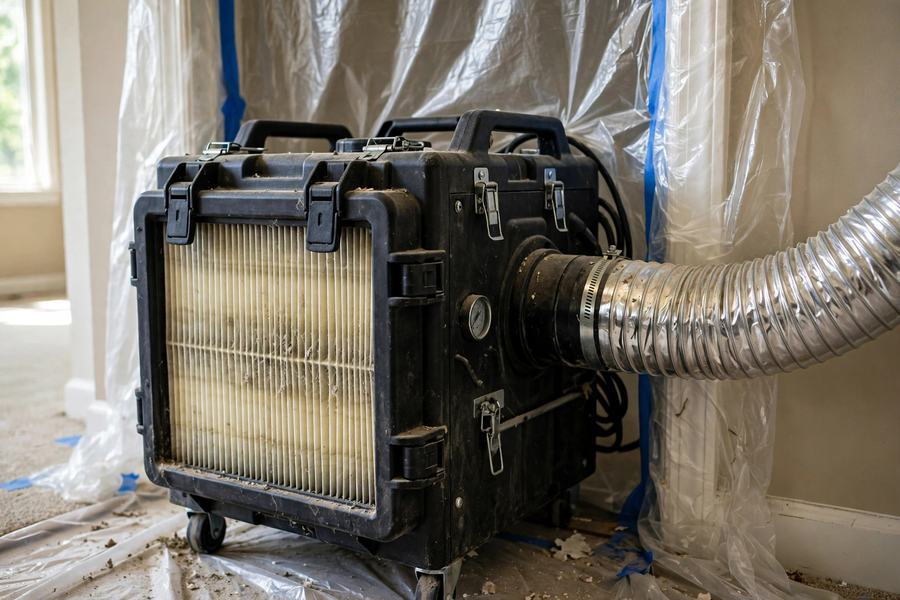
Mold Remediation
Contained removal of mold growth and the moisture conditions feeding it, following IICRC S520-style protocol.
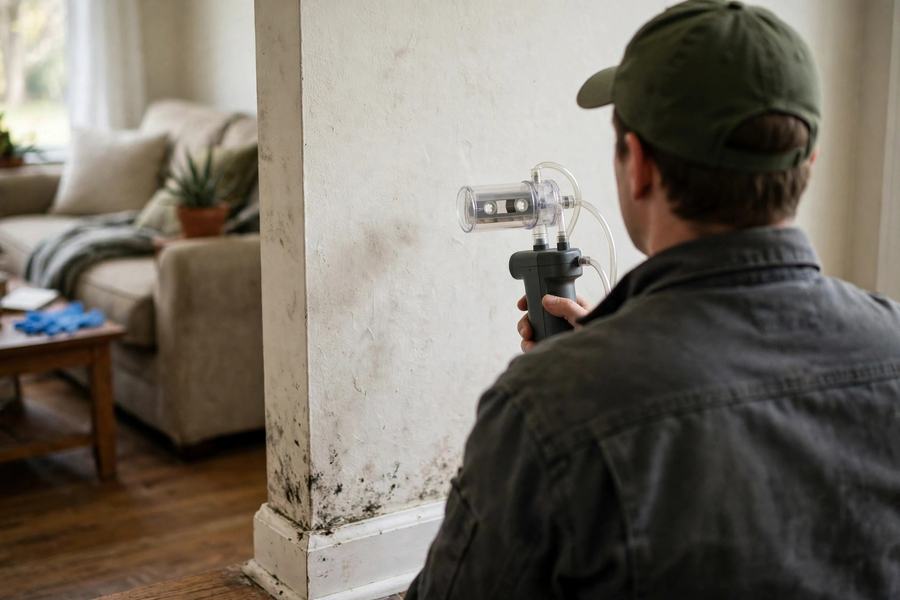
Mold Inspection & Testing
A structured inspection with moisture mapping and, where it adds information, air or surface sampling.
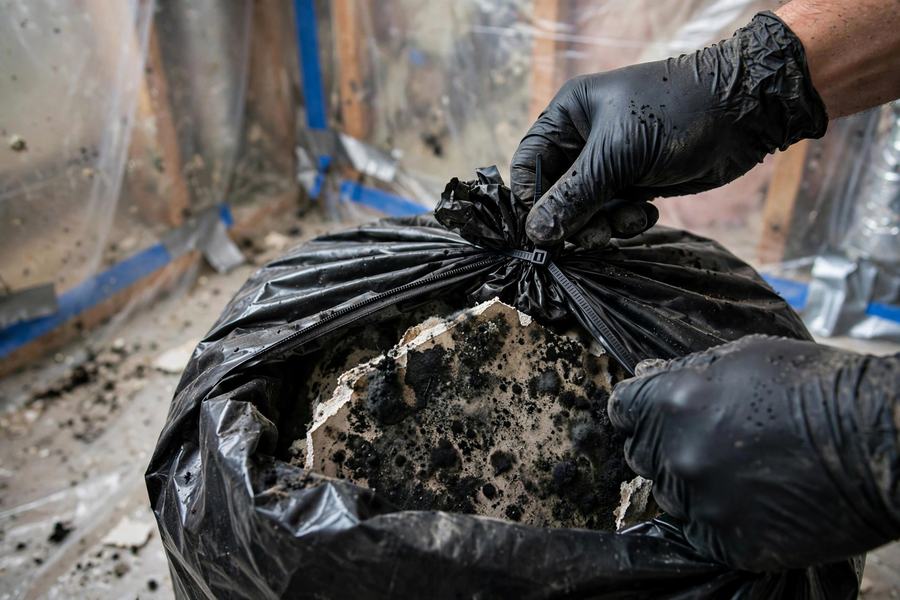
Black Mold Removal
Careful removal of heavy dark growth, often Stachybotrys on long wet drywall, with proper containment.
Mold Prevention After Water Damage
Rapid drying and treatment after leaks and floods, inside the 24 to 48 hour window before growth starts.
Crawl Space Mold Removal questions, answered
When is crawl space mold removal an emergency?
Under floor growth is not an emergency unless plumbing is actively leaking into the space: then the leak is the emergency and the mold is the follow up.
What affects the price of crawl space mold removal in Shawnee?
The main price factors for crawl space mold removal are covered in the cost section above. The contractor confirms the exact price in a written estimate after seeing the job, and nothing is owed until you approve it. The call and the referral are free.
Can I clean mold myself?
Small surface mildew (a shower corner, a window frame) is a cleaning chore. Beyond roughly a 10 square foot area, or any growth inside walls, HVAC, or soaked drywall, DIY cleaning mostly spreads spores and leaves the moisture source running. The EPA draws the line in the same place.
Does bleach kill mold?
On non porous surfaces, mostly. On drywall, wood, and grout, the materials mold actually eats, bleach's water soaks in while its active ingredient stays at the surface, and the growth returns. Removal of the affected material is the remediation; chemistry is the supporting act.
Do I need mold testing?
Testing names species and counts airborne spores; it does not find the source or replace a moisture inspection. It earns its cost for real estate files, post remediation verification, and health investigations. An honest inspector tells you when a meter and a flashlight answer the question better.
Request a callback
Prefer to talk later? Leave your details and an independent local pro will call you back. No charge to you, no obligation.
Mill Creek Mold Removal is a free referral service. Submitting this form connects you with independent local contractors who provide the work.